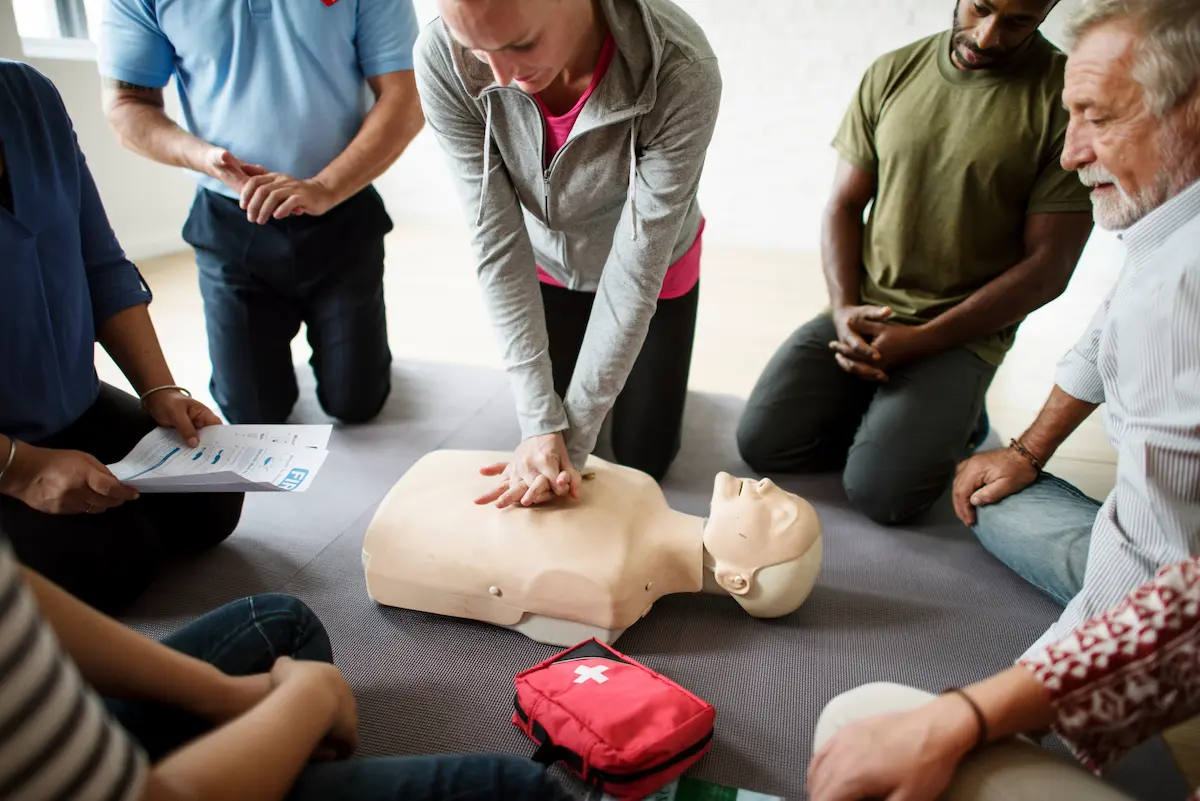


In nursing, there are many career development opportunities you can access by earning additional nursing certifications.
Specialty certifications can boost your value to employers. They can also open the door to higher pay as healthcare facilities often offer premium rates to attract and retain certified talent.
Within this blog, we'll cover all the nursing certifications you should have, as well as the specialty nursing certifications available for registered nurses (RNs), including emergency room nurses, licensed practical nurses (LPNs) or licensed vocational nurses (LVN), and advanced practice registered nurses (APRNs).
Table of contents
- A complete list of nursing certifications in 2026
- Essential nursing certifications you must have
- Popular specialty nursing certifications and programs
- How to choose the right specialty nursing certificate
- FAQs
A complete table of nursing certifications in 2026
With so many nursing certifications, you might find it hard to choose just one. The good news is that you can have multiple nursing certifications, and they can all add value to your career goals. Below you’ll find a list of all the certifications available if you want to advance your skillset and potential earnings.
LPN/LVN certifications
- Certified Medication Aide (CMA)
- IV Therapy Certification
RN-level certifications
Critical Care & Specialty Acute Care
- CCRN – Critical Care Registered Nurse (Adult/Pediatric/Neonatal)
- PCCN – Progressive Care Certified Nurse
- CEN – Certified Emergency Nurse
- CNRN – Certified Neuroscience RN
- CNOR – Certified Perioperative Nurse
- CMSRN – Certified Medical-Surgical RN
- OCN – Oncology Certified Nurse
- CV‑BC – Cardiac-Vascular Nursing Certification
- GERO-BC – Gerontological Nursing Certification
- C‑EFM – Electronic Fetal Monitoring
- CPEN – Certified Pediatric Emergency Nurse
- CPHON – Certified Pediatric Hematology/Oncology Nurse
- NPD‑BC – Nursing Professional Development
- NE‑BC / NEA‑BC – Nurse Executive/Advanced
- CENP – Certified in Executive Nursing Practice
- AMB‑BC – Ambulatory Care
- NI‑BC – Nursing Informatics
- CWOCN‑AP – Advanced Certified Wound, Ostomy, Continence Nurse
- CHPN – Certified Hospice & Palliative Nurse
- CCM – Certified Case Manager
APRN-level certifications
Nurse Practitioners (NP)
- FNP‑BC – Family NP
- PMHNP‑BC – Psychiatric-Mental Health NP
- AGACNP‑BC – Adult-Gerontology Acute Care NP
- AGPCNP‑BC – Adult-Gerontology Primary Care NP
- AGCNS‑BC – Adult-Gerontology CNS
If you’re searching for a comprehensive list of every nursing specialty, you can read this article to see the many options available.
Essential nursing certifications you should have in 2026
Certifications that every practicing nurse should have include basic life support (BLS) certification, advanced cardiovascular life support (ACLS) certification, and pediatric advanced life support (PALS) certification.
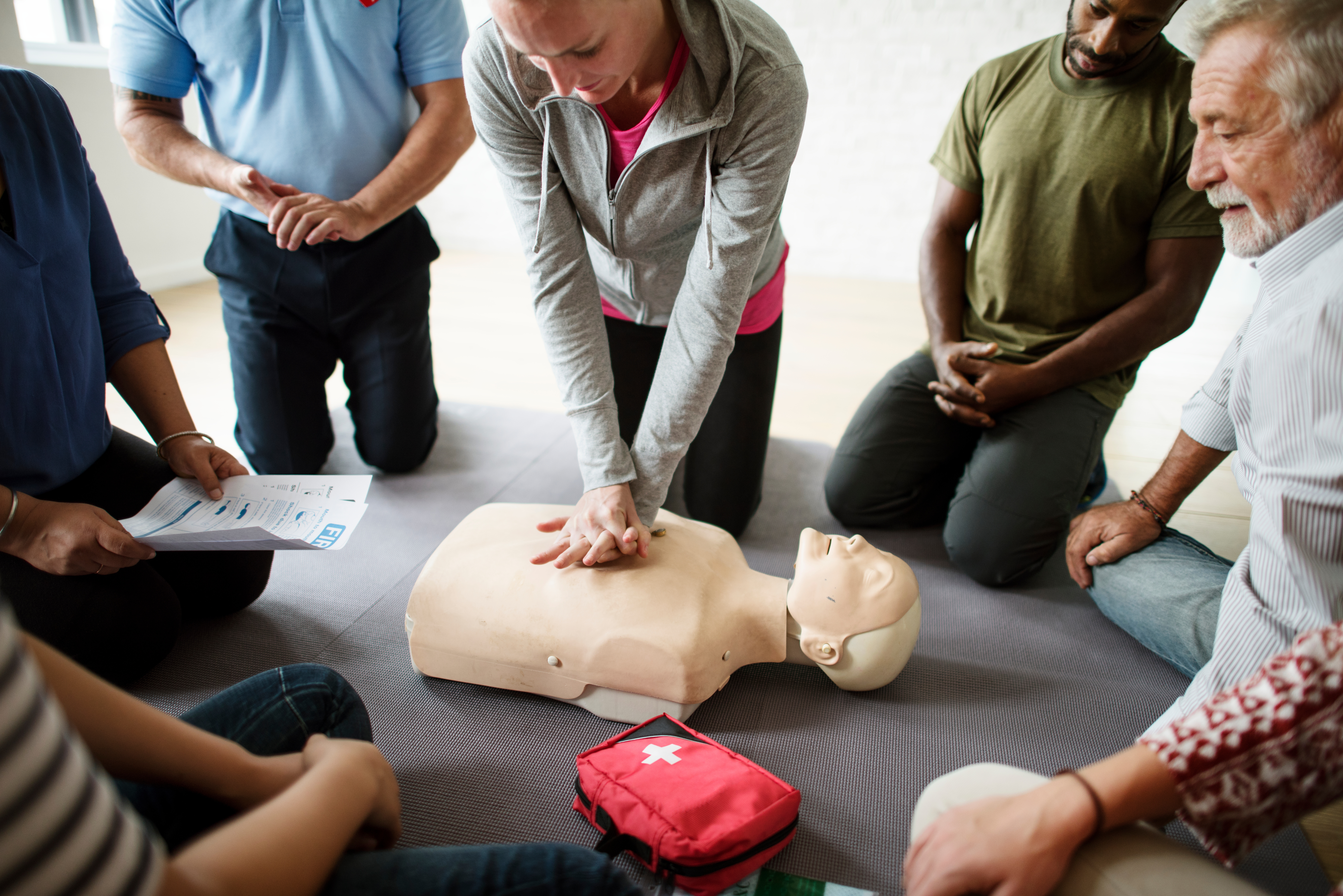
BLS certification
BLS certification is essential for all healthcare professionals and is also required in many non-healthcare roles, such as police officers and lifeguards. The course typically takes just under five hours to complete and must be renewed every two years. Key topics covered include CPR, use of an Automated External Defibrillator (AED), and proper response techniques for choking emergencies.
ACLS certification
ACLS certification is a common yet essential certification for many healthcare professionals. It equips you with the skills to manage patients experiencing cardiac emergencies. The instructor-led training (ILT) certification takes approximately 15 hours to complete. It is valid for two years and must be renewed every two years after that.
PALS certification
PALS certification focuses on how to care for infants and children who have experienced a life-threatening medical event. It takes about eight hours to complete and must be renewed every two years. While often compared to ACLS certification, the main difference is that PALS focuses on pediatric care, whereas ACLS focuses on treating adults.
Want to learn more about career advancing certifications?
Check out our blog to discover how these essential certifications can boost your nursing career today.
Popular nursing specialty certifications and programs
The following nursing certifications are popular for career advancement and can take as little as a day to complete, or as long as a couple years to complete. By taking the time to get advanced certifications, you can boost your skills, value, and earning potential, especially if you're aiming for career growth within two to six years.
Holistic nursing certification
Requirements:
- 48 hours of continuing education in holistic nursing along with research and practice
- A minimum of 2,000 hours or one year of holistic nursing experience
- Passing score on the Holistic Nurse Board Certification exam administered by the AHNCC
If you’re a registered nurse who’s interested in alternative methods of healthcare such as aromatherapy and mindfulness, then holistic nursing might be for you. This nursing certification covers areas involved in less traditional components of nursing, such as emotional, environmental, and spiritual factors. After five years, your holistic nursing certification will need to be renewed.
Critical care registered nurse certification
Requirements:
- 1,750 hours of direct bedside care of acutely/critically ill patients (875 of these hours need to be accrued within the year preceding the exam)
- OR if you have five years of experience working as an RN or APRN, you need 2,000 hours treating acutely or critically ill patients (144 of these hours need to be earned within the year)
- Passing score on the CCRN exam
Critical care registered nurses, or CCRNs, are specialized healthcare professionals who treat critically ill and unstable patients that need intensive care. After three years, this certification will need to be renewed if you want to continue practicing as a CCRN.
IV therapy certification
Requirements:
- Completion of the course, which usually takes 30 to 48 hours to complete
IV therapy certification is a valuable way to advance your career, as IV insertion is common in healthcare settings. Specializing in this area helps reduce complications and meet growing demand. Since IV placement rules for LPNs/LVNs vary by state, it's important to research local regulations. The certification is valid for two years.
Hemodialysis nurse certification
Requirements:
- 3,000 hours of caring for dialysis patients
- 20 hours of continuing education in nephrology nursing
- Passing score on the certified dialysis nurse (CDN) exam
Also known as nephrology nurses, dialysis nurses are responsible for caring for patients undergoing dialysis treatments. These specialized nurses play a critical role in educating patients about their treatment and helping them manage their overall kidney health. If you want to stay certified, you’ll need to get your certification renewed every three years.
Nurse anesthetist certification
Requirements:
- A minimum of one year of experience working in an ICU as an RN
- Graduate from an accredited nurse anesthesia program
- Passing score on the National Certification Examination for Nurse Anesthetists
A certified registered nurse anesthetist (CRNA) assists anesthesiologists and administers anesthesia to patients. They also monitor patients who have recently undergone anesthesia to make sure they are recovering properly. Every four years, you’ll need to renew your certificate to continue working as a CRNA.
Family nurse practitioner
Requirements:
- Complete an accredited FNP program
- Apply for the FNP certification, which is offered by both the American Nurses Credentialing Center (ANCC) and the American Association of Nurse Practitioners (AANP)
- Become certified by your state in which you're working to become an FNP
A family nurse practitioner (FNP) performs many different tasks on a daily basis. Their role is to care for patients of all ages in order to promote their health and wellness by helping treat everything from chronic diseases to short-term illnesses. After you’ve been certified by your state, your certification will be valid for five years.
Certified emergency nurse certification
Requirements:
- Two years of experience working in an emergency room setting as an RN
- Passing score on the CEN exam, administered by the Board of Certification for Emergency Nursing (BCEN)
Recommended for many emergency room nurses, this certification allows you to be well prepared for any scenario you may encounter. CENs are trained to become specialized in providing care to wounded and trauma patients. After three years of receiving your CEN certification, you’ll need to get it renewed if you want to continue practicing.
Trauma nursing core course certification
Requirements:
- Complete the TNCC certification, which takes about a day or two to complete if you already have experience working in an emergency room setting
The Trauma Nursing Core Course (TNCC) certification allows nurses to have specialized training in treating trauma patients. TNCC certified nurse's play a crucial role in providing care to critically ill patients who have had fatal injuries and need immediate life-saving treatments. There are several different organizations that you can choose from when taking the certification exam, so it’s important to research which you think is best for you and your career. The TNCC certification is valid for four years until it needs to be renewed.
How to choose the right specialty nursing certificate
Do your research
Because of the various certification options, it’s crucial that you do as much research as possible before deciding on one. When looking into different certifications, make sure you’re familiar with how long they take to complete, the time commitment needed, the job outlook, the work environment, the patient population, and so on.
Think about your desired career path
Thinking about your career path and goals will benefit you the most when deciding which nursing certification is right for you. If your main goal is to progress in your career and earn higher pay rates, then you’ll want to add this to your list of deciding factors. Just remember to not get overwhelmed because any one of these certifications is sure to advance your career professionally.
Consider the cost involved
Another important piece of information to think about when deciding on certification is the price of each exam and course. Some exams cost hundreds of dollars, so you’ll want to keep this in mind when you consider how many times that you want it to be renewed. Many certifications offer renewal by examination or renewal by continuing education, but both have costs associated with them.
Specialty nursing certifications FAQs
What are specialty nursing certifications?
Specialty nursing certifications are credentials that allow you to practice in a specific area of nursing. They validate that you have expertise in a certain area.
What are the different types of specialty nursing certifications?
There are a wide variety of specialty nursing certifications to choose from, but you’ll want to select yours based on the type of nurse you are. For instance, some certifications are better for certain nurse types, such as RNs, APRNs, LVNs, LPNs, and ER nurses.
What are the best specialty nursing certifications to have?
Depending on your career goals, your best certifications might look different from others. However, popular nursing certifications to have include clinical nurse specialist, pediatric nursing, and psychiatric nursing certifications because they allow you to practice in most healthcare settings, as many states/employers require their nurses to also have the ACLS and PALS certifications as a prerequisite.
What are the benefits of specialty nursing certifications?
There are many benefits of getting extra nursing certifications, such as:
- Higher earning potential
- Improved skillset
- Enhanced career opportunities
- Advanced knowledge
- Better patient care
What are quick nursing certifications?
Common nursing certifications that you can achiever quickly include:
- Phlebotomist certification
- Home health aide certification
- Wound care certification
- Neonatal resuscitation program (NRP)
- Medical assistant certification
Start browsing jobs with Favorite
With a wide array of job options, including per diem, permanent placement, and local and travel contracts, we have the positions to perfectly fit your lifestyle.